Single vs. dual engine, non-CDL, and Recycler - a practical guide to matching a combination sewer cleaner to the jetting and vacuum work your crew actually does.
A combination sewer cleaner is a big investment, and the right build depends on your lines, your crew, and your payload rules. This guide walks through what a combo machine does, the systems to compare, and how Vac-Con's configurations line up against different jobs - so you can spec a truck you'll be glad to own for years.
What Is a Combination Sewer Cleaner?
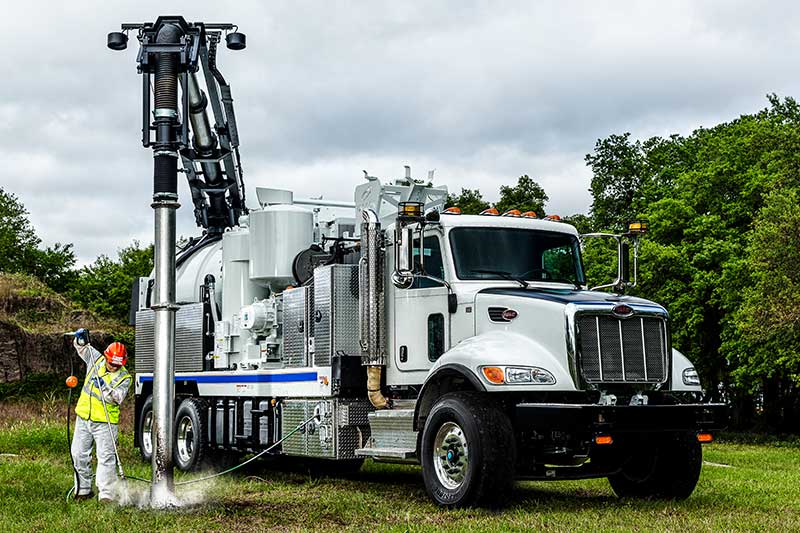
A combination sewer cleaner is a single truck that runs high-pressure jetting and vacuum together. The jetter pushes water through the line to break up and move debris, and the vacuum pulls that material back into the debris tank. One machine, one crew, both halves of the job - which is why municipalities and contractors use combo trucks to clean sanitary sewers, storm drains, and catch basins.
The questions that decide which combo machine is right for you come down to five systems and a handful of configuration choices. Here's how to think about each.
The Five Systems to Compare
Every combination machine is built from the same core systems. Comparing trucks on these is more useful than comparing spec-sheet headline numbers.
Vacuum
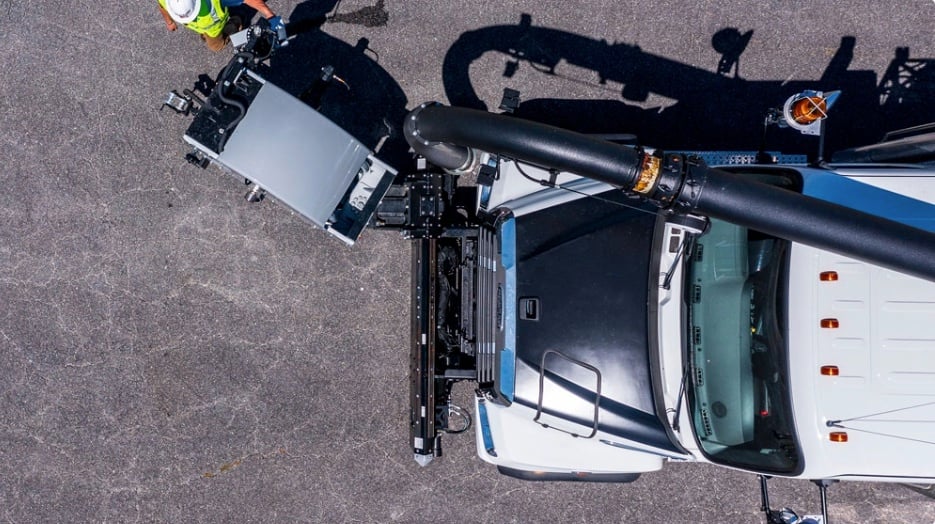
The vacuum system is the heart of the machine. The choice is usually positive displacement blower vs. fan - blowers pull hard at depth, fans move high air volume for lighter, faster work. Vac-Con offers both, so the truck can be matched to the material and the depth you work in.
Water & Jetting
Jetting is what actually cleans the line, so water capacity and pressure matter. Look at tank size against how far you are from a fill point, and at the pressure/flow settings for the debris you cut. Vac-Con sizes water tanks and jetting settings per unit rather than one-size-fits-all.
Payload
Debris tank size drives how long you run before dumping - but the real constraint is legal weight. The right answer is the largest usable tank that still keeps you legal fully loaded. Vac-Con configures debris tanks around your payload rules, not just a headline cubic-yard number.
Filtration
Filtration protects the vacuum. Good separation keeps particles out of the blower or fan, and wet-vac operation cuts airborne dust and extends vacuum life. It's easy to overlook on a spec sheet and expensive to ignore in the field.
Choosing Your Configuration
Once the systems make sense, the configuration is the real buying decision. Vac-Con's combination lineup covers five common answers.
Dual Engine
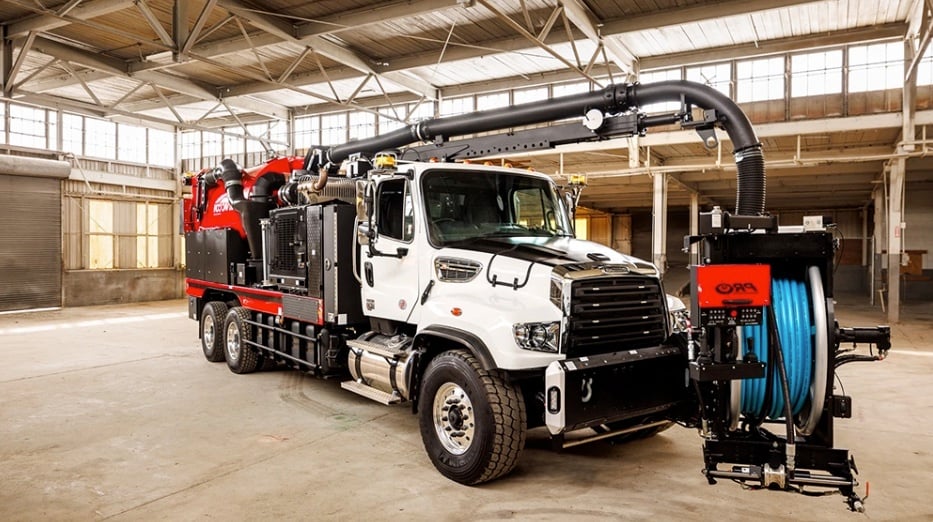
A separate auxiliary engine drives the vacuum and water systems, so cleaning power doesn't depend on the chassis. Best for heavy, continuous production work where you want maximum vacuum and jetting on tap all day.
Single Engine
The chassis engine powers everything through a hydrostatic drive - fewer components, simpler maintenance, and lower fuel and wear over time. A strong fit for crews that want capability without a second powerplant to service.
Non-CDL 3-Yard
Rated under 26,000 lb GVWR with full freshwater, so anyone on the team can drive it - no CDL required. Ideal for smaller municipalities and contractors who need to grab a truck and go without scheduling around a licensed driver.
Recycler
Reuses water pulled from the debris tank so you jet longer between fills - useful where fill points are far apart or water is tight. It still runs as a standard combo machine with recycling switched off, so you don't give up versatility.
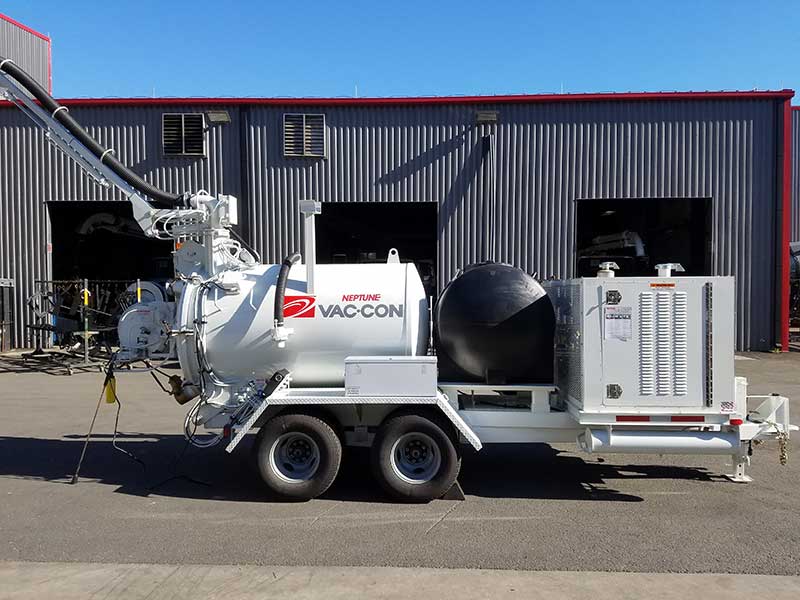
Neptune Trailer
A trailer-mounted combination package for operations that don't need or want a dedicated chassis. Adds combo capability to a fleet without buying another truck.
Operator Features That Matter on a Long Day
Two trucks can look alike on paper and feel completely different to run. These are the features that show up in operator fatigue, safety, and how fast a crew actually gets started.
PRO Reel
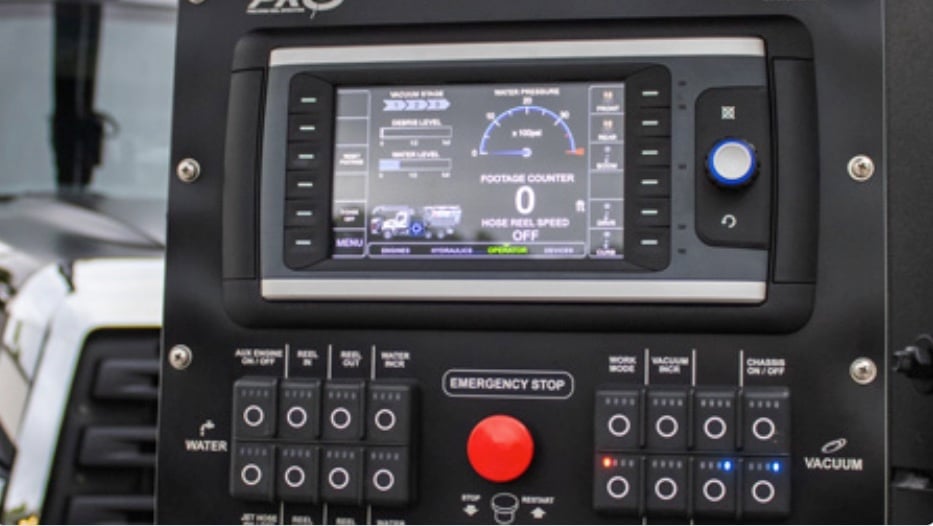
Safety and ergonomics come first with the patent-pending PRO Reel - a genuine breakthrough in hose reel technology, not a minor update. Controls adjust easily to different heights and angles so the operator stays in a safe, comfortable working position all day. Engineered for performance, precision, and operator efficiency, it's the most versatile, operator-conscious hose reel on the market.
Articulating Hose Reel
Rotates 180 degrees toward the driver's side of the cab, with a hydraulically operated outrigger leg for stability - so the reel reaches offset manholes and catch basins without repositioning the whole truck.
Wireless Operation
Long-range wireless remote control, built to take water, dirt, and debris. The sealed battery recharges magnetically on the machine, so the operator runs the truck from where the work is.
T-Case Engagement
Mounted on the front of the hose reel, it lets the operator start/stop the engine and engage the transfer case from one spot - no trip back to the cab before work starts.
Combination Sewer Cleaner FAQs
There's no single best combination sewer cleaner - only the one that fits your lines, your crew, and your payload rules. Compare on the five systems, pick the configuration that matches how you actually work, and weight the operator features that decide how a long day feels.
Not sure which configuration fits your crew?
Compare Vac-Con Combo Machines